



Boron is a trace mineral that rarely gets the attention it deserves. It’s found in soil, water, and plants, and while the body requires only small amounts of it, those small amounts influence several processes that matter significantly for bone health, hormone regulation, and the effectiveness of other nutrients — particularly vitamin D and magnesium.
Here’s what boron actually does, how deficiency presents, and why it’s included in a well-formulated vitamin D3 supplement.
What does boron do in the body?
Boron doesn’t have a single, clearly defined biochemical role the way vitamins B12 or D3 do. Instead, it acts as a metabolic regulator — influencing multiple enzymatic systems and nutrient pathways simultaneously.
The best-documented functions include: supporting osteogenesis (bone development and regeneration), influencing the production and metabolism of steroid hormones including oestrogen and testosterone, enhancing the uptake and utilisation of calcium and magnesium, and extending the half-life of vitamin D in the body. That last function is particularly relevant: boron inhibits an enzyme that breaks down 25-hydroxyvitamin D, meaning adequate boron extends how long vitamin D remains active in the bloodstream.
A key review published in Integrative Medicine (2015) summarised the evidence for boron’s roles across multiple systems and concluded it is “a safe and effective supplement” with meaningful effects on bone density, cognition, and hormone levels — particularly in populations with low dietary intake.
Boron and bone health
The most studied benefit of boron is its role in bone formation and density. Boron supports osteogenesis directly and also acts through several indirect mechanisms: enhancing the availability of calcium and magnesium (both essential for bone mineral structure), reducing urinary excretion of calcium and magnesium (keeping more in the body), and extending the activity of vitamin D (which drives calcium absorption from the gut).
Studies in postmenopausal women have found that boron supplementation significantly reduces urinary calcium and magnesium excretion and elevates serum levels of oestradiol — a hormone that protects against bone loss. The combination of these effects makes boron a meaningful contributor to bone health beyond what calcium and vitamin D alone provide.
Boron deficiency, by contrast, is associated with impaired bone development, higher calcium loss, and reduced mineralisation — effects that compound the bone-related risks of vitamin D or magnesium deficiency. The nutrients work together, and boron is part of that system.
Boron and vitamin D
The relationship between boron and vitamin D is one of the most practical reasons to include boron in a vitamin D supplement. Boron inhibits an enzyme called 24-hydroxylase, which degrades 25-hydroxyvitamin D [25(OH)D] — the storage form of vitamin D in the blood. By slowing this breakdown, boron extends the half-life of 25(OH)D, meaning your vitamin D stays active for longer between doses.
Research has shown that dietary boron deprivation leads to measurably lower serum vitamin D levels, and that reintroducing boron reverses this. For people supplementing vitamin D, including boron in the formulation means more of the vitamin D you take remains available to tissues that need it — improving the overall return on supplementation.
Boron also supports the utilisation of magnesium, which is itself required for the enzymatic activation of vitamin D. It’s a network effect: boron helps vitamin D work better, and helps magnesium work better, both of which are required for the calcium regulation that benefits bone and cardiovascular health.
Boron and hormone health
Boron influences steroid hormone metabolism in ways that are relevant for both men and women. In postmenopausal women, boron supplementation has been shown to elevate serum levels of oestradiol and testosterone — two hormones that decline after menopause and whose decline is associated with bone loss, cognitive changes, and reduced muscle mass.
In men, some evidence suggests boron may support free testosterone levels by reducing sex hormone-binding globulin (SHBG), which binds testosterone and renders it unavailable for use. A small clinical trial found that 10 mg of boron daily for one week significantly increased free testosterone and reduced oestrogen in healthy male volunteers — though the evidence base here is still developing and more trials are needed.
If you take hormonal medication — including the contraceptive pill or hormone replacement therapy — speak to your GP before adding a boron supplement, as boron’s effects on hormone metabolism may interact with these treatments.
Boron and brain function
Boron appears to support cognitive function and psychomotor performance, though this area of research is less developed than the bone and hormone evidence. Studies of boron-deprived subjects show reduced cognitive performance and impaired hand-eye coordination compared to those receiving adequate boron. Reintroducing boron in these studies improved attention, memory, and motor function — suggesting it plays a functional role in brain activity, possibly through its effects on electrical activity and hormone levels.
Boron deficiency: causes and signs
There is no official recommended daily intake for boron, and outright deficiency in the clinical sense is relatively rare. However, low dietary boron intake is common in people whose diets are low in fruits, vegetables, legumes, and nuts — the main food sources.
Signs associated with low boron intake include impaired bone development or increased bone fragility, reduced hormone levels (particularly relevant for postmenopausal women), higher urinary calcium and magnesium losses, and reduced cognitive performance. Since boron works through the same systems as vitamin D and magnesium, a deficiency compounds the effects of deficiencies in those nutrients — making the overall picture of bone and metabolic health worse than any single deficiency would suggest.
Boron food sources
Boron is found primarily in plant foods. The richest sources include prunes, raisins, avocados, almonds, walnuts, chickpeas, apples, and pears. Legumes, leafy vegetables, and nuts are generally good sources. Meat, fish, and dairy are poor sources of boron, meaning people who eat little fruit and vegetables are most likely to have low intakes.
Average boron intake in the UK is estimated at around 1–3 mg per day, while most research showing beneficial effects on bone density and hormone levels has used doses of 3–10 mg daily. This gap means supplementation is worth considering for people who eat limited plant food or who have specific concerns about bone health.
Boron supplements: forms and dosage
Boron is available in several forms: boron citrate, boron glycinate, boric acid, and sodium tetraborate (borax). For oral supplementation, boron citrate and boron glycinate are the preferred forms — they are better absorbed than boric acid and are the forms most commonly used in research demonstrating the bone and hormone effects described above. Choosing the right form matters across every supplement category, not just boron; see our guide to clean supplements for what to check on any label before buying.
The general research-supported dose for adults is 3–10 mg daily. Taking boron with your largest meal of the day — and alongside calcium and vitamin D — makes practical sense given its role in supporting the metabolism of both. No established upper tolerable intake level has been set by EFSA for boron supplementation at these doses, but intakes above 20 mg daily should be avoided without medical guidance, as high doses can cause gastrointestinal discomfort.
Boron in our D3K2 formula
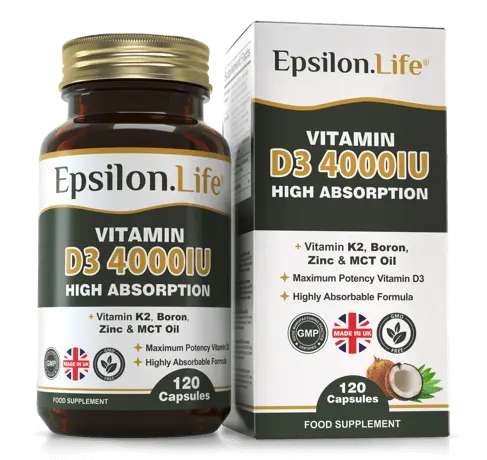
Boron is included in our Vitamin D3 K2 Zinc with MCT Oil and Boron because it amplifies the effectiveness of the other nutrients in the formula. D3 drives calcium absorption; K2 directs calcium into bone; zinc supports vitamin D receptor function; and boron extends the half-life of vitamin D while reducing calcium and magnesium losses. The MCT oil base supports fat-soluble absorption for all four fat-soluble components.
It’s a formulation built around how these nutrients actually function together, rather than treating each ingredient independently.
Frequently asked questions
What does boron do in the body?
Boron acts as a metabolic regulator across several systems. Its most documented roles include: supporting bone development and reducing calcium and magnesium losses through urine, influencing steroid hormone production and metabolism, extending the half-life of vitamin D by inhibiting the enzyme that degrades it, and supporting cognitive function and psychomotor performance. It works through existing biological systems rather than having a single defined pathway.
How much boron should I take per day?
Most research showing benefits for bone density, hormone levels, and vitamin D extension used doses of 3–10 mg of boron daily. Average dietary intakes in the UK are around 1–3 mg, often leaving a gap below what research suggests is beneficial. Taking a supplement providing 3–6 mg daily alongside food is a practical starting point. Doses above 20 mg daily should be avoided without medical guidance.
What are the signs of low boron intake?
Boron deficiency is rarely diagnosed clinically, but low dietary intake is associated with impaired bone mineralisation, reduced hormone levels (particularly in postmenopausal women), higher urinary losses of calcium and magnesium, and reduced cognitive performance in controlled studies. Many of these effects compound other nutritional deficiencies, particularly low vitamin D and magnesium.
What are the best food sources of boron?
Prunes, raisins, avocados, almonds, walnuts, chickpeas, apples, and pears are among the richest sources. Legumes, leafy vegetables, and most fruits and nuts contain meaningful amounts. Meat, fish, and dairy are poor sources. People eating limited fruit and vegetables — or following a low-plant diet — are most likely to have low boron intakes.
Why is boron included in vitamin D supplements?
Boron inhibits the enzyme that degrades 25-hydroxyvitamin D, extending the time vitamin D remains active in the bloodstream. This means people taking vitamin D with adequate boron get more sustained benefit from the same dose. Boron also supports magnesium utilisation, which is itself required to activate vitamin D enzymatically. The combination of D3, K2, zinc, and boron addresses both the absorption and the extended activity of vitamin D.
Is boron safe to supplement with?
At doses of 3–10 mg daily, boron is generally considered safe, with no significant adverse effects reported in research at these levels. High doses (above 20 mg daily) can cause gastrointestinal discomfort. If you take hormonal medication — including HRT or the contraceptive pill — speak to your GP first, as boron influences steroid hormone metabolism and may affect how these medications work.
This article is for informational purposes only and does not constitute medical advice. Speak with your GP before starting any new supplement, particularly if you take medication or have an existing health condition.
Find our guides useful? Add Epsilon Life as a preferred source on Google to see more of them in your search results.
Add to Google preferred sources